
Applicant: State Grid Enshi Power Supply Company
Abstract: Rural non-point source pollution poses a major obstacle to building beautiful villages. In Tudianzi Village, State Grid Enshi piloted a rural energy revolution model combining “renewable energy development + waste recycling + industrial drive,” forming a circular industrial chain of livestock farming, biogas power generation, and organic fertilizer production. This mode has effectively reduced greenhouse gas emissions, advanced clean energy transition, waste management, carbon control, and rural vitalization, unlocking new opportunities for rural tourism.
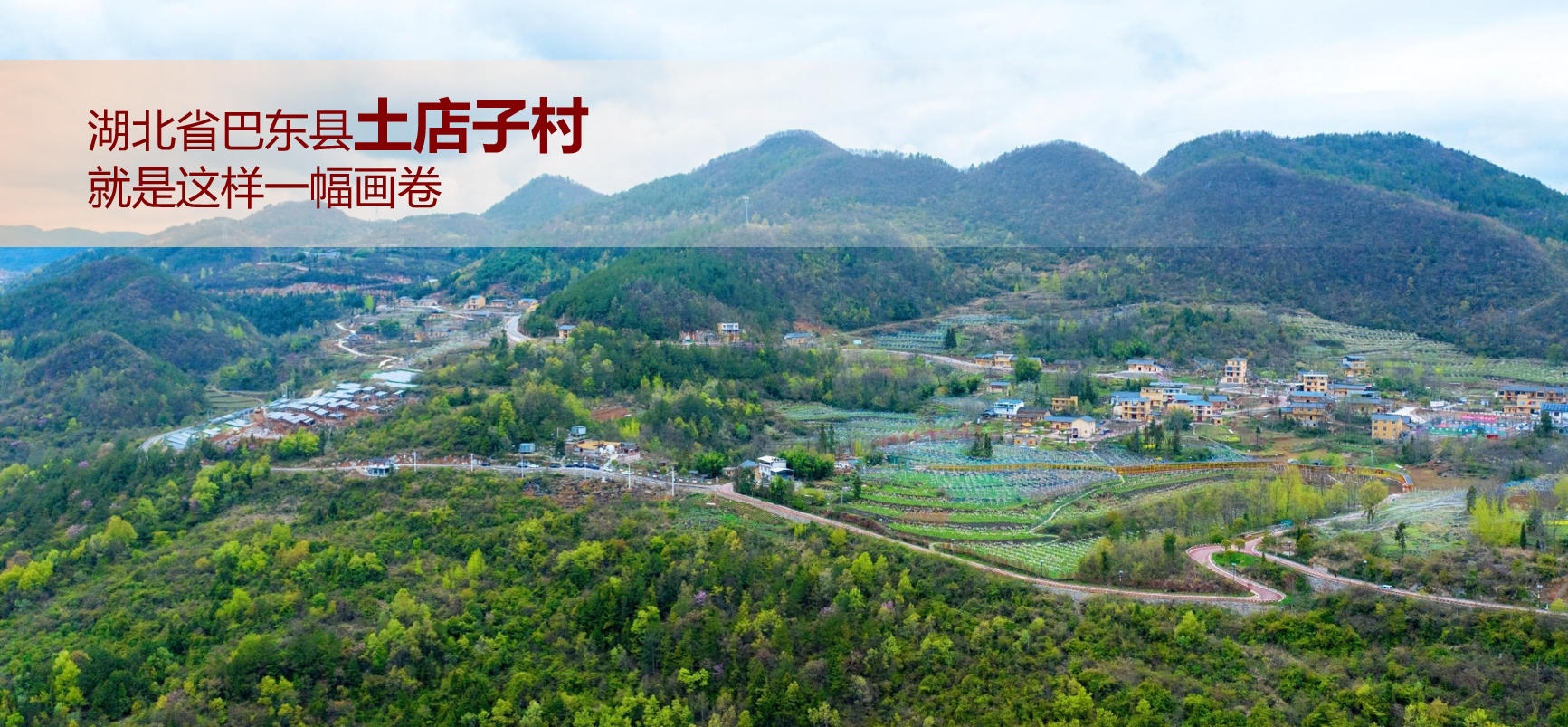
Challenge
China's rural areas are rich in renewable resources — yet they remain locked into dirty, inefficient energy habits. In many villages, non-commercial fuels like coal and firewood still account for over 30% of household energy consumption. The consequences are serious: indoor air pollution, high carbon emissions, and a failure to capture the economic value of local wind and solar potential.
Three structural gaps kept Enishi's Tudianzi Village stuck:
Renewable development was fragmented and small-scale. Individual solar panels and off-grid systems served a few households, but there was no coordinated strategy to harness the village's full wind and solar potential.
Green energy and rural industries didn't connect. Local tourism, agriculture, and renewable energy operated in parallel — missing the synergies that could amplify each other's value.
Energy transition was treated as a technical problem, not a development strategy. Projects were designed to meet energy needs, not to drive broader village revitalization — so they struggled to attract sustained investment and community support.
State Grid Enshi chose Tudianzi Village as its pilot for a new approach: integrating clean energy development with rural economic growth and ecological conservation.
Solution
Three Pillars: Energy + Waste + Industry
State Grid Enshi developed a three-pillar rural energy revolution model: "New Energy Development and Utilization + Waste Recycling + Industry-Led Growth." Together, the three pillars create a self-reinforcing system where clean energy powers local industry, organic waste generates biogas and fertilizer, and economic returns fund further renewable expansion.
Pillar 1 — New Energy Generation: Every Surface, a Power Plant
The village installed 764 kW of distributed solar PV, making creative use of land through an "agrivoltaics" approach: panels installed above farmland generate electricity while the land below continues to support livestock or crop production. Supplementary micro wind turbines (41 kW total) add generation diversity. A 280-meter photovoltaic eco-tourism corridor doubles as both a renewable energy installation and a visitor attraction — connecting clean energy with the village's tourism ambitions. This is "one land, multiple uses" in action.
Pillar 2 — Reliable Power Supply: A Grid That Runs on Its Own
To ensure 24/7 clean power, the village installed 110 smart transformer terminal units and an 800 kWh mobile energy storage system. A proactive balancing and coordination control system — built on a digital twin platform — enables seamless switching between "grid-forming" mode (operating independently) and "grid-synchronized" mode (feeding the wider grid). The result: Tudianzi Village became the first "Green Power Village" in Hubei Province to run on 100% clean energy around the clock.
Pillar 3 — Circular Economy: From Waste to Wealth
A 30 kW biogas power station processes 3,770 tonnes of livestock manure annually, generating 130,000 kWh of electricity and producing organic fertilizer as a byproduct. The digestate — the remaining material after biogas extraction — is applied to approximately 500 mu (83 acres) of organic pear orchards, closing the nutrient loop. The system creates a complete "planting → breeding → biogas → electricity" ecological cycle, transforming a waste disposal problem into a productive agricultural resource.
Impact & Value
A Village Reaches 100% Clean Energy
Tudianzi Village is now Hubei's first 100% clean energy village. Coal consumption has been slashed by 99%. Annual carbon emissions have been reduced by 954 tonnes. The village has built an energy system centered on electricity, with wind and solar as its primary sources — a model that other rural areas can directly replicate.
Environmental Impact
Green electricity now accounts for 100% of the village's energy consumption. The biogas system effectively processes 3,770 tonnes of manure per year — eliminating a major source of water pollution and rural odor, and improving living conditions for residents. The organic fertilizer from the biogas plant has boosted both the quality and yield of the pear orchards, demonstrating that environmental protection and agricultural productivity can grow together.
Economic Impact
The pilot project generates approximately ¥1.717 million in annual revenue, with a return on investment of 6.6% per year. Beyond the headline numbers:
• Village collective and households earn approximately ¥56,000 per year from land leasing and maintenance contracts
• Two village residents are employed in day-to-day operations
• The organic pear orchard earns an additional ¥260,000 per year from improved yield and premium quality, thanks to organic fertilizer from biogas
• A photovoltaic eco-tourism corridor is expected to drive over ¥10 million in tourism revenue within five years
The village has found a formula where environmental sustainability and economic prosperity are not in conflict — they are mutually reinforcing. The energy revolution has become an engine for rural revitalization.