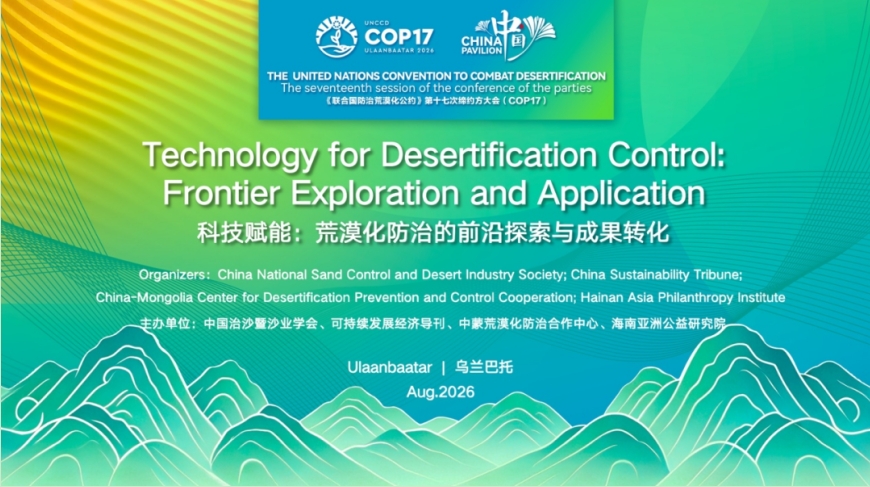
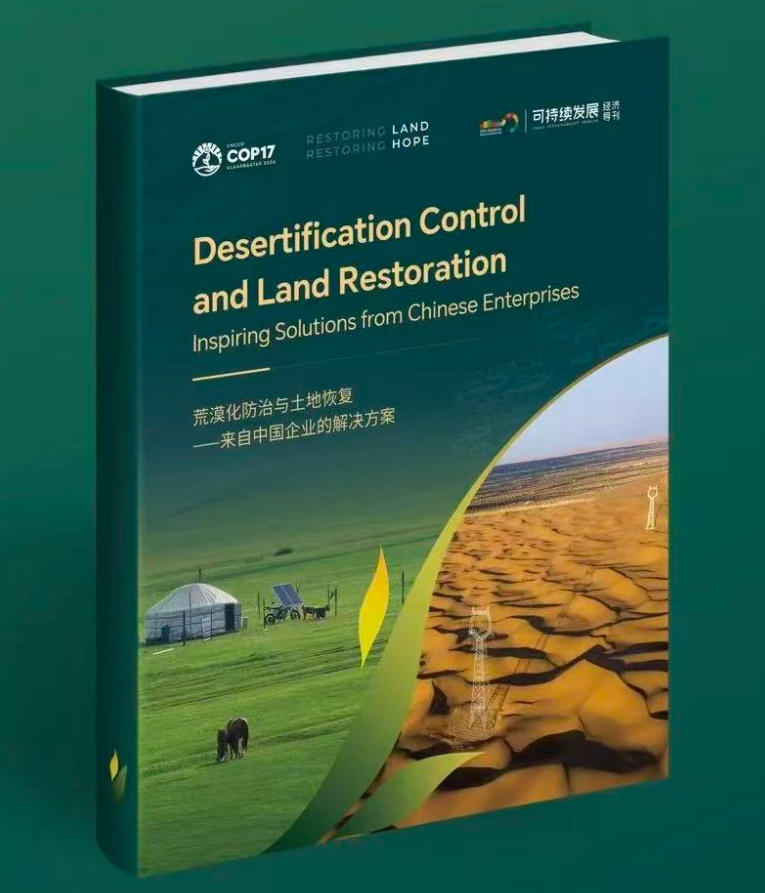
On August 18, at the "Technology for Desertification Control: Frontier Exploration and Application " side event held at the China Pavilion of the 17th Session of the Conference of the Parties (COP17) to the United Nations Convention to Combat Desertification (UNCCD), the report Desertification Control and Land Restoration – Inspiring Solutions from Chinese Enterprises was officially released.
The report is structured around six chapters: "Renewable Energy / PV for Desertification Control," "Desertification Control Along Transmission Lines ," "Engineering Construction and Land Protection," "Mine Land Restoration and Rehabilitation ," "Land Restoration and Water Management," and "Green Industrial Transition and Sustainable Land Management."
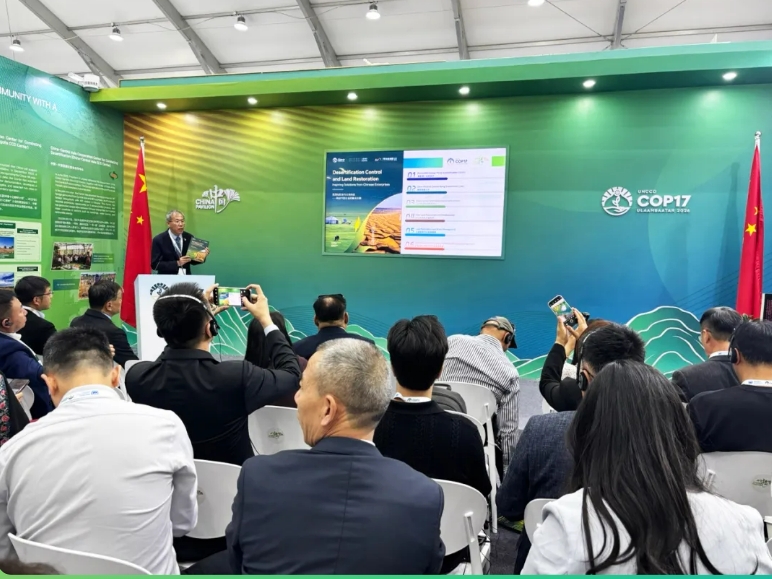
It systematically documents the solutions of 20 Chinese enterprises in desertification control and land restoration. By distilling key messages, innovative approaches, and global implications, the report vividly demonstrates how companies integrate technological innovation, scenario-based application, industrial synergy, and long-term operation into ecological governance, offering practical references for moving land restoration from "project implementation" to "value creation," and from "point-based governance" to "systemic solutions." These solutions are not merely about showcasing Chinese corporate practices; they are intended to inspire similar regions worldwide.
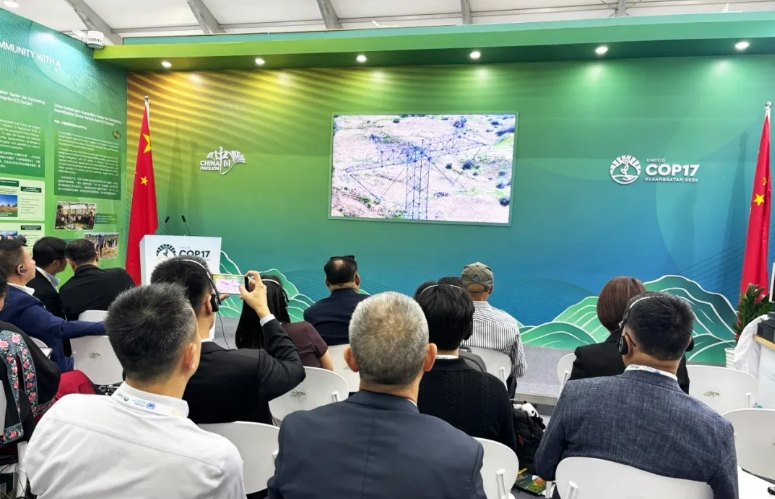
As wind and solar power projects expand into deserts, Gobi, and other arid regions, the demand for long-distance energy transmission continues to grow. How can we ensure reliable green power delivery while turning transmission infrastructure into a platform for windbreaks, sand fixation, and ecological restoration has become an important new challenge. In response, State Grid Corporation of China has conducted long-term exploration.
Looking toward 2030, achieving land degradation neutrality requires not only more success stories, but also implementation mechanisms that can continuously incentivize corporate engagement, catalyze capital investment, and promote international cooperation. He said that "GoldenKey – SDG Solutions" platform stands ready to deepen collaboration with governments, international organizations, enterprises, and research institutions worldwide — to gather and refine more replicable, scalable, and sustainable solutions, and to contribute Chinese corporate solutions to the implementation of the UNCCD action agenda and initiatives such as "Business for Land (B4L)."
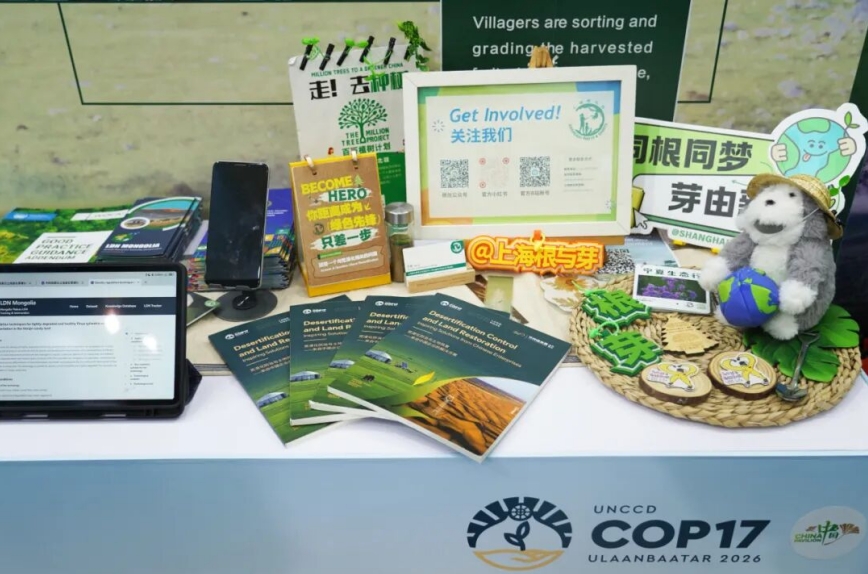
Desertification is a cross-regional, cross-border challenge, and land restoration serves as a vital link connecting ecological security, climate action, biodiversity conservation, and sustainable development. This side event, anchored in results release and case exchange, effectively facilitated cross-fertilization between Chinese solutions and international experience. It is expected to propel more battle-tested technologies and models toward broader application scenarios, injecting technological momentum and collaborative strength into global desertification control and land restoration.
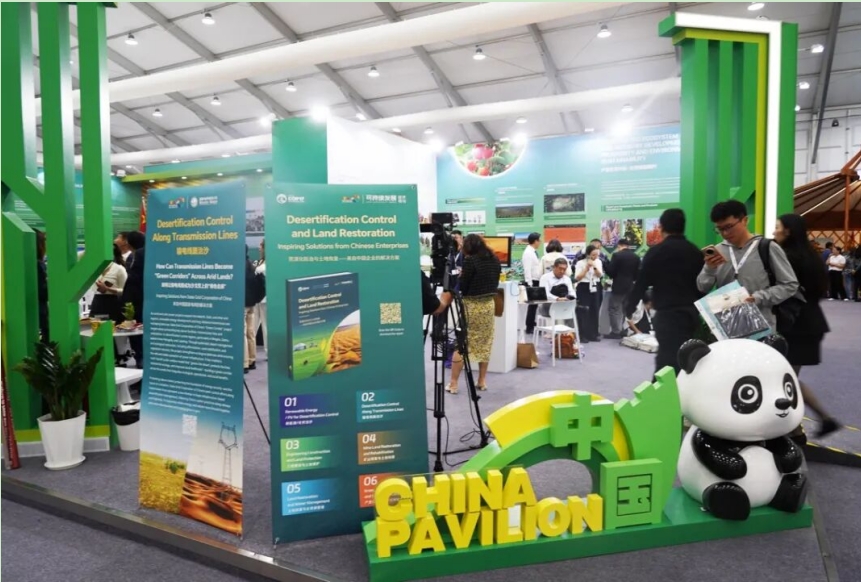
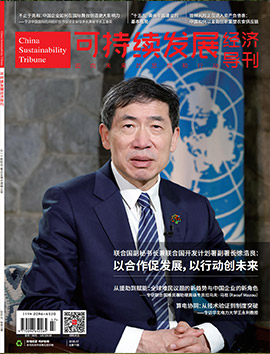
The side event was hosted by China National Sand Control and Desert industry Society, China Sustainability Tribune, China-Mongolla Center for Desertification Prevention and Control Cooperation and Hainan Asia Philanthropy Institute.
 Back
to top
Back
to top